
-
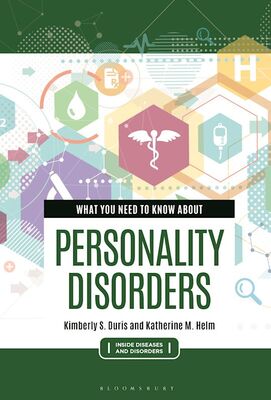
What You Need to Know About Personality Disorders
Kimberly S. Duris and Katherine M. Helm
Having a personality disorder is different from simply having personality quirks. Quirks or eccentricities are considered normal; however, when certain dominant personality traits interfere with healthy psychological functioning, a personality disorder might be the cause.
This volume provides readers with all the information they need to know about personality disorders, including how to assess, diagnose, treat, and manage the varying signs and symptoms of the 10 personality disorders currently recognized.
The latest installment in the Inside Diseases and Disorders series, this book offers a complete overview of the history, diagnosis, and treatment of personality disorders. Using recent scholarship and case studies, it also explores the impact these disorders can have on patients and their families.
-
Cognitive Behavioral Model (Chapter from Intervening for Stepfamily Success: One Case, Multiple Perspectives)
Kimberly S. Duris
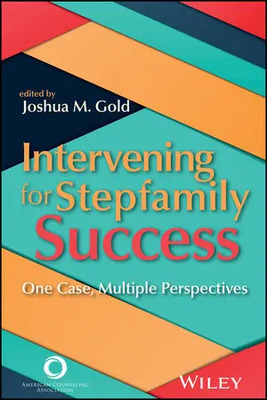
This book was developed as a clinical primer to provide the reader with concrete examples of how to apply multiple family systems theories and techniques to stepfamily concerns using a single case study approach. Given the ongoing escalation in the numbers of stepfamilies, and the probability that clinicians, regardless of the setting of counseling practice, will experience growing numbers of stepfamily concerns in their clinical caseloads, the availability of multiple approaches to support stepfamily success will be a welcome resource. This is a practitioner book. It assumes the reader has basic knowledge of theory-based treatment planning, systems thinking, and family theory. The chapters build on those foundations by illustrating how clinicians from different modalities might address the issues facing our case study stepfamily.
-
Introduction: The Changing Landscape of Couple Therapy Today and Tomorrow (Chapter from The Disordered Couple)
Katherine Helm and Len Sperry
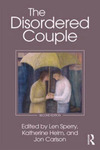
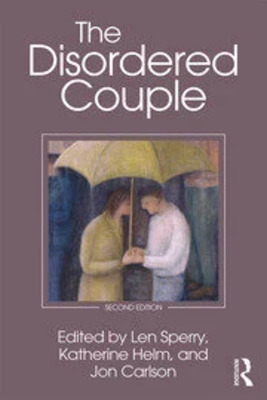
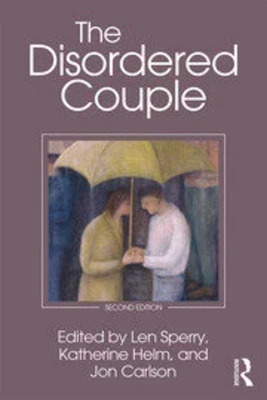
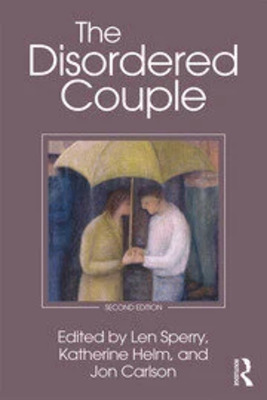
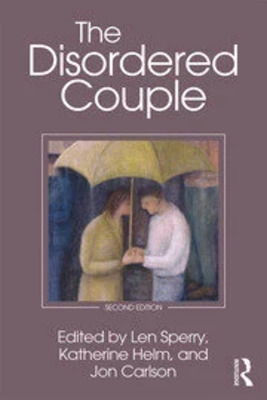
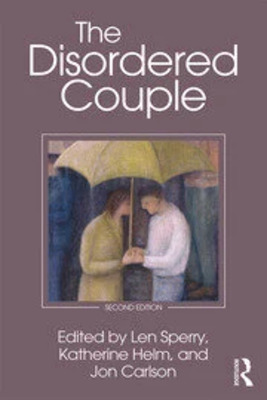
The Disordered Couple, Second Edition, focuses on couples with psychiatric disorders and/or relational disorders that significantly impact their relationship, mental health, and well-being. It is the first and only book to provide mental health professionals and trainees with cutting-edge, culturally sensitive, and evidence-based clinical strategies for working effectively with disordered couples.
While maintaining its focus on disordered couples, this second edition adds several new features and considers key trends that have impacted the structure of couples and families since the original edition appeared, including the influence of social media and technology, legalization of same-sex marriage, increases in the availability of Internet pornography, and changes in societal norms regarding romantic relationships. The disorders covered reflect revisions to the DSM-5 and both psychiatric disorders and relational disorders, and the book highlights clinically relevant and culturally sensitive intervention practices for working with a wide variety of disordered couples. Chapters also include a section on specific multicultural implications for the type of couple discussed.
With proven strategies for effectively assessing, conceptualizing, and implementing treatment with disordered couples, this book is an essential reference for marital, clinical, counseling, and psychiatry professionals, as well as trainees in these areas. The Disordered Couple, Second Edition, will be of great assistance to mental health professionals in providing disordered couples with the most up-to-date, culturally sensitive, and relevant clinical care.
-
The Alcohol and Drug Addicted Couple (Chapter from The Disordered Couple)
Michael R. Lloyd and Ellen Thursby
-
The Disordered Couple: Past, Present and Future (Chapter from The Disordered Couple)
Len Sperry and Katherine Helm
-
Acceptance and Commitment Therapy (Chapter from The SAGE Encyclopedia of Marriage, Family, and Couples Counseling)
Kimberly S. Duris
Acceptance and commitment therapy (ACT) is an empirically based form of behavioral and cognitive treatment developed by psychologist Steven C. Hayes. ACT was originally developed to assist with the treatment of anxiety-based disorders but has been applied to numerous behavioral health issues since its conception. ACT is part of what has been called the third wave of behavioral and cognitive therapy, with its focus on mindfulness, acceptance, and values-based living. Since the development of ACT, it has been applied to a wide variety of clinical issues, including couples counseling. This entry provides an overview of the main tenets of this theory, discusses how these tenets are applied in treating couples, and describes the role of an ACT couples counselor.
-
Hooking Up: The Psychology of Sex and Dating
Katherine M. Helm
This book is an engaging and comprehensive resource for high school and college students on modern topics in human sexuality, covering subjects such as gender roles and dating to sexual orientation and sex itself.
Part of Greenwood's The Psychology of Everyday Life series, this book gives readers a single-stop resource for learning about the intersections of psychology, human attraction, sexuality, cultural norms, and sexual behavior. Written in a compelling and straightforward style, readers will enjoy learning about the subject and come away with a new perspective on sex and sexuality.
This overview covers popular topics in human sexuality such as the ubiquitous forms of sex in society (e.g., gender roles, sexual orientation, media and technology, cultural norms about sex), the importance of sex in every individual's life, the positive and negative effects of sex, specific psychological theories and theorists, sex over the developmental lifespan, and different cultural perspectives on topics in human sexuality. The presentation of topics in the book builds logically on previously covered material; however, the information is presented so that students looking for specific information can read chapters out of order and still understand the primary content areas. -

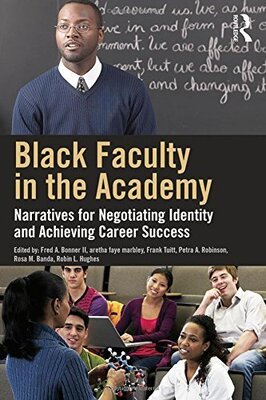
Social networking and support: No, I don’t know how to play golf (Chapter 4 from Black Faculty in the Academy Narratives for Negotiating Identity and Achieving Career Success)
Anton M. Lewis and Katherine M. Helm
Through candid discussions and personal counter-narrative stories, Black Faculty in the Academy explores the experiences and challenges faced by faculty of color in academe. Black faculty in predominantly White college and university settings must negotiate multiple and competing identities while struggling with issues of marginality, otherness, and invisible barriers. This important book illuminates how faculty can develop a professional identity that leads to success in academe, while at the same time remaining true to cultural and personal identities. Through rich narratives, chapter authors situate race-related encounters at the center of their experience in an effort to deconstruct and challenge commonly held assumptions about life in academe. They also provide key recommendations and strategies to help faculty of color ensure their continued professional success. Framed by critical race theory, these stories show how faculty can successfully maneuver through all stages of a career in academe, including tenure and promotion, publication, mentoring, networking, teaching, and dealing with institutional climate issues. This valuable book is for faculty and administrators seeking to create an environment that nurtures professional growth and fosters success among Black faculty.
-
Threats to Intimacy for African American Couples (Chapter from Love, Intimacy, and the African American Couple)
Katherine M. Helm and Tennille Nicole Allen
-
Couples Interviews (Chapter from Love, Intimacy, and the African American Couple)
Katherine M. Helm and Jon Carlson
-
Expert Interview with Aubrey B. Chapman (Chapter from Love, Intimacy, and the African American Couple)
Katherine M. Helm and Jon Carlson
-
Expert Interview with Dr. Chalandra M. Bryant (Chapter from Love, Intimacy, and the African American Couple)
Katherine M. Helm and Jon Carlson
-
Expert Interview with Dr. Sandra Lyons-Rowe and Dr. Daryl M. Rowe (Chapter from Love, Intimacy, and the African American Couple)
Katherine M. Helm and Jon Carlson
-
Expert Interview with Dr. Thomas Parham (Chapter from Love, Intimacy, and the African American Couple)
Katherine M. Helm and Jon Carlson
-
Introduction (Chapter from Love, Intimacy, and the African American Couple)
Katherine M. Helm and Jon Carlson
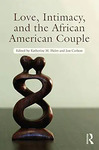
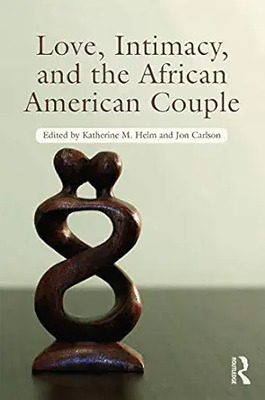
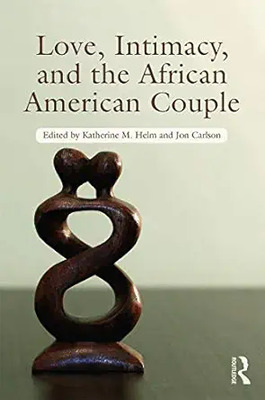
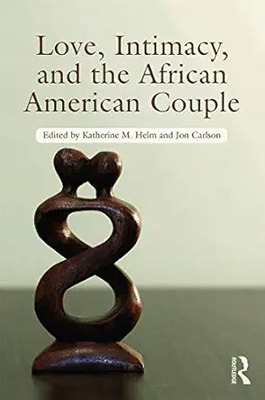
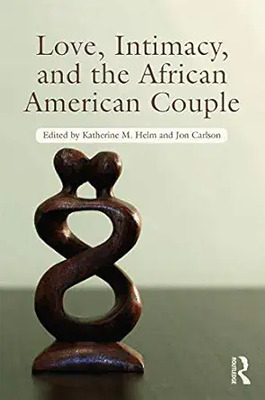
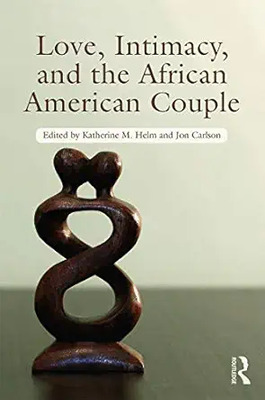
This exciting new text on counseling African American couples outlines critical components to providing culturally-sensitive treatment. Built around a framework that examines African American couples’ issues as well as the specific contextual factors that can negatively impact their relationships, it:
• Addresses threats to love and intimacy for Black couples
• Provides culturally relevant, strengths-based approaches and assessment practices
• Includes interesting case studies at the conclusion of each chapter that illustrate important concepts.
The chapters span the current state of couple relationships; readers will find information for working with lesbians and gays in relationships, pastoral counseling, and intercultural Black couples. There is also a chapter for non-Black therapists who work with Black clients. Dispersed throughout the book are interviews with prominent African American couples’ experts: Dr. Chalandra Bryant, relationship expert Audrey B. Chapman, Dr. Daryl Rowe and Dr. Sandra Lyons-Rowe, and Dr. Thomas Parham. They provide personal insight on issues such as the strengths African Americans bring to relationships, their skills and struggles, and gender and class considerations. This must-read book will significantly help you and your clients. -
Conclusion (Chapter from Love, Intimacy, and the African American Couple)
Katherine M. Helm, Anton M. Lewis, and Jon Carlson
Printing is not supported at the primary Gallery Thumbnail page. Please first navigate to a specific Image before printing.