
-

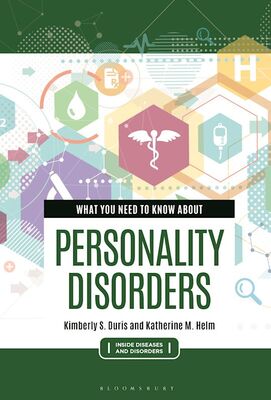
Internet Infidelity: A Threat to Emotional Intimacy (Chapter 11 from Recovering Intimacy in Love Relationships A Clinician's Guide)
Katherine M. Helm
This chapter will explore Internet infidelity as a threat to emotional intimacy in romantic relationships. Guidelines for recognizing Internet infidelity, specific treatment strategies, and implications for training will be reviewed. Internet infidelity is a new area of study within the psychological literature. Although in its infancy, it is critical that couples therapists incorporate an assessment of Internet use within a couple's relationship into their work with couples. Individuals who engage in secretive cybersex or Internet affairs create a breach of emotional intimacy in their primary romantic relationships, which is not easily healed. Therapists working with couples need to thoroughly assess how technology, including the Internet, text messaging, and cell phones, enhance or detract from their couples' relationships. These new technologies can be easily misused and represent an entirely new area in which physical and emotional boundary violations can occur. Additionally, these technologies provide romantic partners with a specific documented record of emotional breaches, which are often brought into the therapy session as "proof" of an emotional breach. Couples therapists need to consider how they will deal with this "proof" in sessions and share this with their clients before beginning therapy. This is a new but essential area of assessment for couples therapists. Finally, therapists need to examine their own biases and values regarding Internet infidelity and cybersex behaviors. Clearly, these attitudes impact therapists' evaluations, interventions, and relationships with their clients.
-

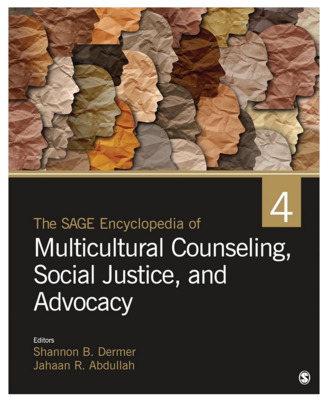
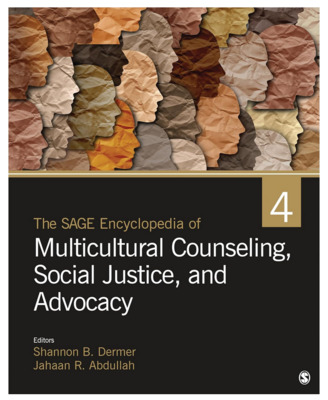
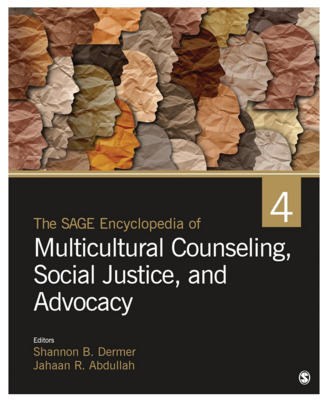
Individuals and Families of African Descent (Chapter 9 from Developing Multicultural Counseling Competence: A Systems Approach)
Katherine M. Helm and Lawrence James
This text is an innovative, evidence-based approach to facilitating students’ journey to becoming multiculturally competent counselors. Comprehensive, thoughtful, and in-depth, Developing Multicultural Competence goes beyond general discussions of race and ethnicity to include discourse on a broader, more complex view of multiculturalism in clients’ and trainees’ lives.
Both scholarly and highly interactive, this new text strives to present trainees with empirically-based information about multicultural counseling and social advocacy paired with engaging self-reflective activities, discussion questions, case inserts, and study aids, creating opportunities for experiential learning related to cultural diversity considerations and social advocacy issues within clients’ social systems. Addressing CACREP (2001/2009) Standards related to the Social and Cultural Diversity core area, the book is broken into four parts: Part One covers key concepts and terms regarding multicultural constructs and cross-cultural communication; Part Two defines social advocacy and identifies the major forms of oppression; Part Three discusses the major cultural and diversity groups; and Part Four develops trainee skills for working with diverse clients, including infusing multiculturalism in how they conceptualize, evaluate, and treat these clients.
Printing is not supported at the primary Gallery Thumbnail page. Please first navigate to a specific Image before printing.